
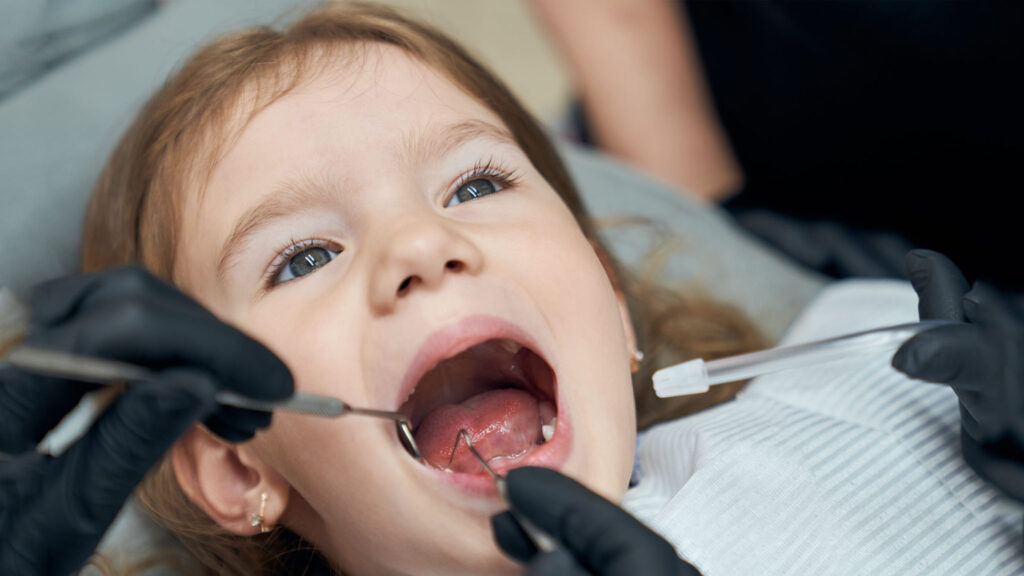
A child is not simply a smaller adult. Children have their own needs, feelings and ways of understanding the world. We keep this in mind at every visit, because we want children to feel safe, understood and at ease when they come to the dentist.
That is why we take a step-by-step approach to looking after children’s teeth. It can begin before birth, with a consultation for expectant parents, and continue as their child grows.
Our aim is for dental visits to become a normal, positive part of a child’s life, rather than something to fear. Early visits may be all about meeting the dentist, talking and getting used to the room. Children can explore the dental chair and become familiar with the sights, sounds and smells at their own pace. When treatment is needed, we introduce it gradually and take the child’s needs and comfort into account.
Below, you’ll find guidance on how children’s teeth develop, the oral health problems that can arise at different ages, and the practical steps we take to help prevent and treat them.
Age 0–3 years
The first baby tooth is a good time to start building healthy habits. Small, consistent steps at home can make a real difference to your child’s oral health as they grow.
Prevention
An early dental visit gives you a chance to ask questions and learn how to care for your baby’s teeth. If you have already attended a prenatal consultation, we can plan the first visit together. Otherwise, we recommend arranging a visit when the first tooth appears, usually at around six months of age.
We’ll show you how to clean your child’s teeth, help you choose a suitable toothbrush and toothpaste, and talk through how to make brushing part of the daily routine. We’ll also discuss food and drink, breastfeeding and other feeding habits, and how these can affect developing teeth and bite development.
Treatment
Most babies and toddlers need guidance and prevention rather than dental treatment. Oral thrush can occur in infancy and should be assessed if you notice white patches or other changes in your baby’s mouth. Once the first teeth appear, tooth decay can develop too. When early changes are spotted, it may be possible to stop or reverse them with the right preventive care.
If decay becomes advanced, treatment may be needed. This can feel daunting for a young child, which is one reason early check-ups and everyday prevention matter so much. If treatment is necessary, we’ll explain the options and plan care around your child’s needs.
Our method for reducing stress in children
Whenever possible, a child’s first visit should happen before there is a problem to treat. We keep these early appointments relaxed and unhurried, helping your child get used to the dental chair, the room and the instruments in a gentle, age-appropriate way.
The first appointment may simply be a conversation with you while your child gets comfortable in the room. They might sit in the dental chair, look around or try things out at their own pace. At a later visit, if they are ready, we may gently clean their teeth with flavoured toothpaste and introduce some of the instruments in a calm, reassuring way.
With time and positive experiences, children can learn that visiting the dentist is a normal part of looking after themselves, not something that happens only when they are in pain.
Age 3-6 years
Between the ages of three and six, children grow and change quickly. By this stage, all their baby teeth have usually come through. Towards the end of this period, the first permanent teeth may begin to appear and some baby teeth may start to loosen.
Tooth decay is still a concern at this age, but good daily habits and regular dental check-ups can greatly reduce the risk.
Prevention
Untreated tooth decay can cause pain and infection, affect eating and sleep, and sometimes damage the developing permanent teeth. Dental visits can also be challenging for children who are still learning to manage unfamiliar situations. Regular check-ups and early care help us spot problems sooner, when treatment is often simpler and more comfortable.
We’ll help you build a routine that suits your child, including brushing, flossing when the teeth touch, and using age-appropriate toothpaste. Where needed, we may also recommend additional products to help protect the teeth.
Fluoride helps protect teeth from decay, but the amount matters, especially in young children. We’ll advise you on the right toothpaste and how much to use for your child’s age, helping protect their teeth while reducing the risk of dental fluorosis.
Treatment
Prevention can reduce the need for treatment, but it cannot prevent every problem. Some children have tooth defects from birth, or may experience an injury or develop decay despite good care. If treatment is needed, we’ll explain what is happening and discuss the most suitable approach.
When treatment is needed, we aim to preserve as much healthy tooth tissue as possible and make the experience as comfortable as we can. We also take care to protect the child’s trust in dental care.
We plan treatment carefully and work efficiently, while giving children the time and reassurance they need. Keeping appointments focused can help reduce the time spent in the chair without rushing the child.
Age 6-12 years
Between six and twelve, most permanent teeth come through, apart from the wisdom teeth. School, hobbies and a busier routine can make brushing less consistent, even when good habits were already in place.
Children’s jaws and teeth are still developing during these years, so this is a useful time to check how the bite is forming. Good brushing habits remain important, especially as new permanent teeth come through.
Prevention
The habits built in early childhood remain important. As permanent teeth come through, regular check-ups help us monitor their development and spot early signs of tooth decay between the teeth or changes in the bite. Finding concerns early gives us more time to discuss the options.
Professional cleaning can remove plaque from areas that are difficult to reach with a toothbrush. We’ll also show your child how to brush effectively at home and tailor our advice to their changing teeth.
Treatment
If we notice that the teeth or bite are not developing as expected, we can recommend an orthodontic assessment. Early advice can help clarify whether treatment is needed now or whether it is better to monitor growth and review things later.
We also keep an eye on gum health. As permanent teeth erupt, the gums around them can become tender or inflamed, particularly when plaque builds up. Good cleaning and timely advice usually help keep this under control.
If tooth decay is found, treatment depends on how far it has progressed. In some early cases, preventive care can help strengthen the enamel and stop the process. Where a filling or other treatment is needed, we’ll explain why and choose an approach that preserves as much healthy tooth tissue as possible.
Age 12-20 years
Between twelve and twenty, young people go through major physical and emotional changes. Growth rates vary, and dental care gradually becomes more like adult care while still taking each person’s stage of development into account.
Puberty brings changes that can affect the mouth as well as the rest of the body. Hormonal changes can make the gums more sensitive and more likely to become inflamed, so good daily care and regular check-ups remain important.
Prevention
Newly erupted permanent teeth can remain more vulnerable to decay while their enamel matures. At the same time, hormonal changes during puberty can make the gums more sensitive to plaque. Regular brushing, cleaning between the teeth and dental check-ups help protect both teeth and gums as the bite settles.
The aim is to make oral care a sustainable part of everyday life. A combination of home care and regular professional check-ups helps young people move into adulthood with healthy teeth and gums.
Treatment
We continue to favour non-invasive or minimally invasive options whenever they are appropriate. If the gums become inflamed, we address the cause and help the young person improve their brushing and interdental cleaning routine.
For some young people, this is also the time to plan more complex care with the appropriate dental professionals. This may include orthodontic treatment or care for teeth that are missing or have been affected by injury. When several types of treatment are needed, the clinicians involved coordinate the plan, with the aim of achieving a healthy, comfortable and natural-looking result.