
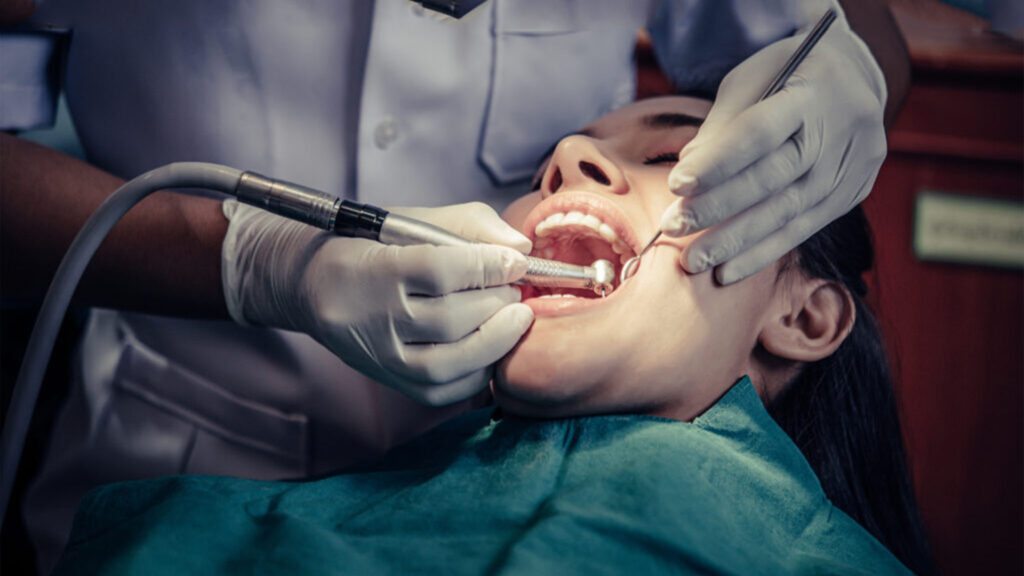
Early diagnosis allows tooth decay to be treated with minimal loss of healthy tooth tissue. Modern dentistry focuses on preserving the natural tooth and preventing further damage.
Tooth decay, also known as dental caries, is a disease that affects the hard tissues of the teeth. It begins when minerals are lost from the enamel. If the process continues, the damage can progress into the dentine. If still not treated properly in more advanced cases, affect the pulp inside the tooth.
At My Dental Place, treating tooth decay involves more than simply placing a filling. First, we assess why the decay has developed and identify the factors contributing to it. We then aim to stop or control the disease before restoring any damaged tooth structure where necessary.
Modern diagnostic methods can help identify early signs of tooth decay before pain develops. Detecting a lesion at an early stage can allow a more conservative approach. This allows us to preserve more of the natural tooth and reduce the need for extensive treatment.
What is non-invasive or minimally invasive treatment?
Non-invasive and minimally invasive approaches are used for selected early carious lesions. When decay is limited to mineral loss and the tooth surface remains intact, it may be possible to manage the lesion without drilling or removing tooth tissue.
Treatment focuses on controlling the conditions that allow tooth decay to develop. This may involve reviewing oral hygiene habits, dietary patterns and individual risk factors, alongside regular professional monitoring.
Fluoride products and other appropriate remineralising treatments can help restore lost minerals to the enamel and slow or arrest the progression of early lesions. Professional cleaning may also form part of the preventive care plan, depending on the patient’s needs.
These approaches are particularly valuable for children and adolescents, although they can also benefit adults. The most suitable treatment depends on the depth and activity of the lesion, as well as the patient’s individual risk of developing further decay.
What is biological treatment for tooth decay?
Biological treatment aims to preserve the vitality of the dental pulp, the living tissue inside the tooth that contains nerves and blood vessels. It may be considered when decay extends deep into the dentine, and there is a risk of the pulp becoming inflamed or infected.
As decay progresses, bacteria and their by-products can irritate the pulp. The response varies from mild, reversible inflammation to more advanced damage. The appropriate treatment depends on the clinical findings, the condition of the pulp and the amount of healthy tooth structure that remains.
In selected cases, the pulp can be preserved using vital pulp treatment techniques. These may include carefully removing the decayed tissue while protecting the pulp, or using specialist materials that support healing and help maintain its vitality. Preserving the pulp can reduce the need for root canal treatment when the clinical conditions are suitable.
Treatment may be completed in one or several appointments, depending on the depth of the decay and the procedure required. The decision is based on a thorough clinical assessment and dental X-rays where indicated.
The aim is to preserve as much of the natural tooth as possible and maintain its long-term function. Follow-up is important to assess the success of treatment and ensure that the tooth remains healthy.
When does tooth decay need treatment?
Not every dark mark on a tooth is a cavity, and the absence of a visible spot does not necessarily mean the tooth is healthy. Tooth decay can develop without obvious signs, particularly in areas that are difficult to examine.
Decay often develops between neighbouring teeth, where it may remain unnoticed for some time. In these areas, dental X-rays can help identify lesions that are not visible during a routine visual examination.
The decision to treat a lesion is not based on appearance alone. We consider whether the lesion is active or progressing, how deeply it extends, the condition of the surrounding oral environment and the patient’s individual risk of developing further decay.
This is where early diagnosis makes a real difference. When a lesion is identified before substantial tooth structure has been lost, it may be possible to manage it with preventive care or a smaller restoration, rather than more extensive treatment.
At My Dental Place, we focus on careful diagnosis and a conservative, biologically informed approach to treatment. We aim is to address the factors contributing to tooth decay while preserving healthy tooth tissue wherever possible.
Regular dental check-ups allow changes to be identified and monitored before they cause significant damage. Early intervention can help reduce the need for extensive restorations or root canal treatment later on.