Dental pain is often severe, exhausting and capable of completely disrupting a person’s daily life. It usually comes at the most inconvenient time, before a journey, an important meeting or during a period of significant stress. In Dr Dimitar Chotorov’s practice, we understand how difficult a painful condition can be. Therefore, when urgent dental care is required, we aim to respond as quickly as possible.
In addition to emergency situations, surgical treatment is often required as part of comprehensive treatment plans. This may include the extraction of teeth with a poor prognosis or compromised teeth. Surgical procedures involving the soft tissues and oral mucosa as well.
Surgical procedures performed
- Tooth extraction
- Management of acute inflammatory conditions
- Consultation and referral to an oral or maxillofacial surgeon
The purpose of emergency treatment
The main purpose of an emergency examination is to quickly establish an accurate diagnosis and relieve pain. Once the condition has been stabilised, a comprehensive treatment plan is prepared in due course to restore the function, health and aesthetics of the dentition.
When is hospital treatment required, and is treatment performed under anaesthesia?
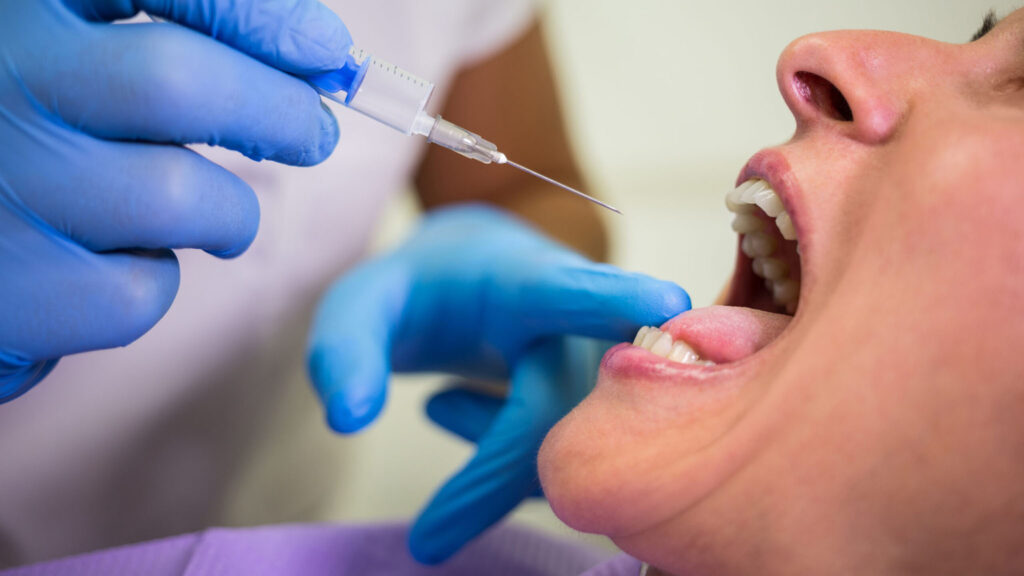
Surgical procedures are performed under local anaesthesia, with the patient conscious. Always, the procedures done are within the competence of the treating team. In cases requiring highly specialised treatment, hospital facilities or the involvement of an oral or maxillofacial surgeon, patients are referred to the appropriate specialist following an examination and assessment of their condition.
When is a painful tooth required to be extracted?
It is very important for patients to understand that not every painful tooth needs to be extracted. The indications and contraindications for extraction are numerous and require comprehensive diagnosis, followed by an individual treatment plan.
Pain alone is rarely a sufficient reason for extraction. In many cases, the tooth can be successfully treated using significantly more conservative methods. Even when treatment is carried out in an emergency setting, and the patient is in severe pain, establishing the correct diagnosis remains essential. Extraction is always considered a last therapeutic option.